Saturday, June 6, 2015

Tuesday, May 26, 2015
HERRING
HISTORY
According to Malcolm
Gaskill, author of “Between Two Worlds:
How the English Became Americans”, the Journal of Winslow and Bradford is one of
the best memoirs from the New World. Of
course, they had something to say about the herring too……
Jan. 2, 2015


A Relation or Journall of the Beginning and Proceedings of the
English Plantation Settled at Plimoth in New England
By Edward Winslow and William Bradford (1622)
Winslow and Bradford were Mayflower
Pilgrims who had surely read Smith’s Jamestown chronicle and learned from it.
The colony they describe, New Plymouth, was, even in its infancy in 1620,
orderly and industrious, in spirit like the communitarian parishes of old
England. The new world was one both of rapture and hardship. The first winter,
rued Bradford, God tested the Pilgrims with “variable windes and sodaine
storms,” and the cold “so taynted our people, for scarce any of us were free
from vehement coughs.” The following year, they made friends as well as
enemies among the Indians, and “according to the manner of the Indians, we
manured our ground with Herings”—whose calcium neutralized Plymouth’s acidic
soil. Winslow and Bradford’s narrative is best known for its report on
the first Thanksgiving. A plentiful harvest had led Bradford, the governor, to
order the hunting of fowl “so we might after a more speciall manner rejoyce
together, after we had gathered the fruit of our labours.” Here was the
confirmation that providence had smiled on them.

Saturday, April 11, 2015
Sunday, April 5, 2015
If You Want To Go To Herring School
Herring: Clupea harengus
The Gulf of Maine Research Institute has quite a bit of good information about herring posted on-line.
Did you know: "The herring is a fish of open waters, traveling as a rule in schools of hundreds or
thousands; single fish are seldom seen, or even small companies of a few dozen.
As a rule all the individual members of a school are about the same size,
whether large or small. It is not known how long any given school may preserve
its identity as such."
Read this article to learn more:
http://www.gma.org/fogm/Clupea_harengus.htm

Many thanks to the Gulf of Maine Research Institute!!!

Wednesday, April 1, 2015


YOU ARE WHAT YOU EAT??

What do herring eat?
Herring survive entirely by feeding on plankton - the tiny drifters of the ocean. There are two basic types of plankton: phytoplankton (plants) and zooplankton (animals). The zooplankton community, comprised of invertebrate and fish larvae as well as many species that remain drifters for life (holoplankton), is thought by some scientists to be the biggest source of protein in the world's oceans and is, not surprisingly, an important food source for many organisms. Although herring are opportunistic feeders, they feed primarily on small holoplanktonic crustaceans called copepodsCopepods and other tiny crustaceans are the predominant members of the zooplankton in the coastal waters of the Gulf of Maine. [1] Two copepod species, Pseudocalanus minitus and Calanus finmarchicus comprise more than two thirds of the herring's diet in winter through summer, with three other copepod species the dominant food sources in the fall. The larvae (nauplii) of copepods make up a major part of the diet of larval herring.
The survival and distribution of herring in the Gulf of Maine depends largely on the distributions their major prey, the copepods. Herring growth rates vary with copepod availability and abundance. The copepod Calanus finmarchicus, perhaps the most abundant copepod in the Gulf of Maine, is vital to the success of Atlantic herring populations. Atlantic herring time their migrations around the presence of this copepod. The herring are dependent on these food sources to such a degree that herring scientists have proposed that information on prey species may provide a method to predict the location of herring stocks.
Herring feed at night in the upper water column, following the massive vertical migrations of zooplankton that inhabit deep waters by day and surface waters by night. Research has shown that herring feed on zooplankton in several ways. Much like the way a whale strains zooplankton from the water with its baleen plates, herring are able to use their gill rakers to filter-feed. Herring can also visually detect larger prey, such as an individual copepod or a mysid shrimp, and execute directed attacks on these targets
Funded by the Maine Sardine Council, the National Fish and Wildlife Foundation, and Stinson Seafood, Inc.
Saturday, March 14, 2015

Sunday, February 22, 2015
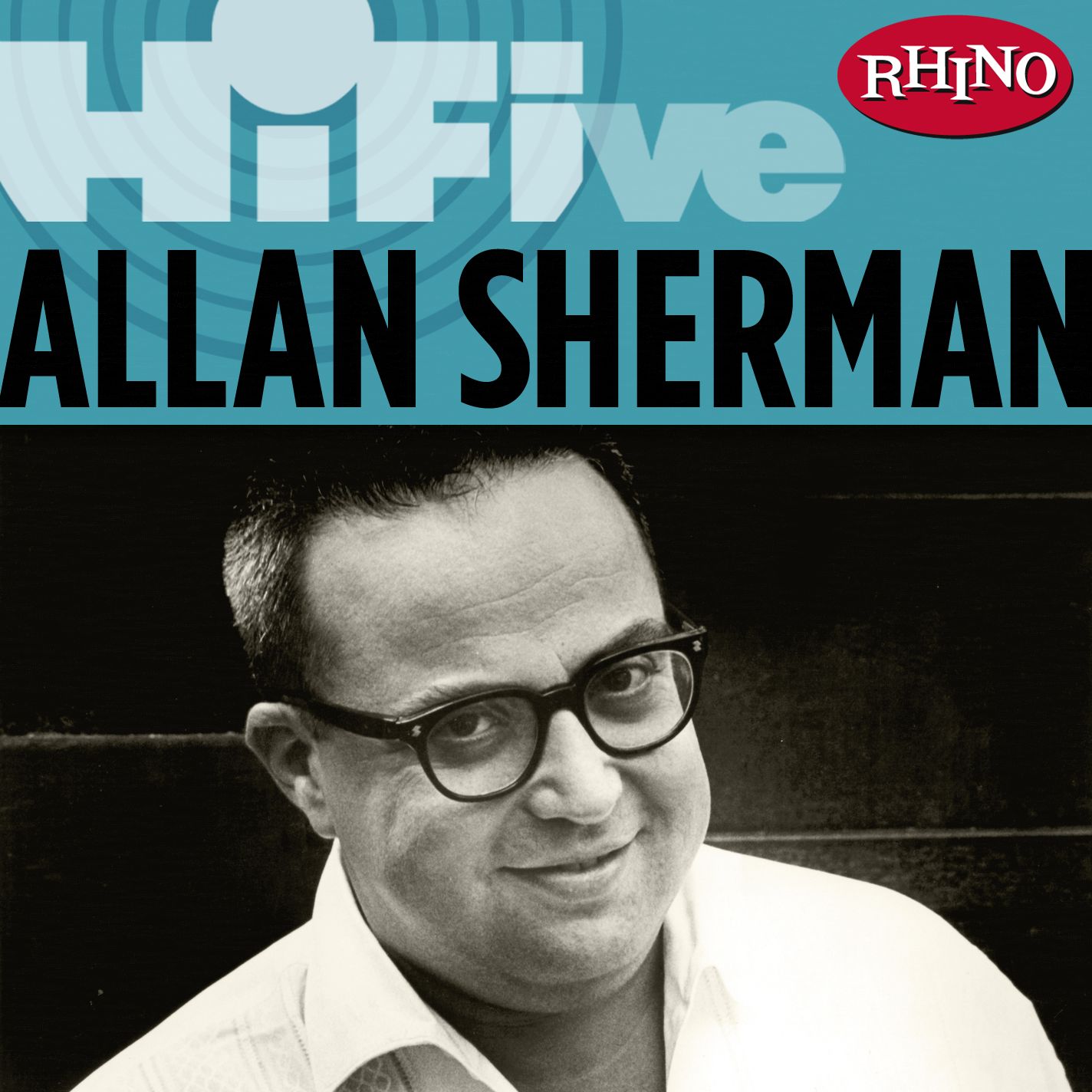
Elli the King of Broadway singing Allan Sherman's "When I'm in the Mood for Love (You're in the Mood for Herring)
I tried hard to find an original recording by Allan Sherman but none was available. But if you listen to this you'll at least be able to appreciate the herring lyrics! Song starts at 2:40 into the video.
Subscribe to:
Posts (Atom)